

ENTER THE WORLD OF COLINE
Stay up to date on events, collections and exclusive news
For decades, luxury was measured in abundance. Grand chandeliers, gilded details, ornate furnishings, and rooms filled with objects were symbols of status and refinement. The more one displayed, the more one appeared to possess. Yet in today’s world, the definition of prestige has quietly transformed.
The new luxury is no longer about excess. It is about restraint. It is about clarity, intention, and space. In a culture saturated with noise, speed, and endless consumption, minimalism has emerged as the most sophisticated statement of all.
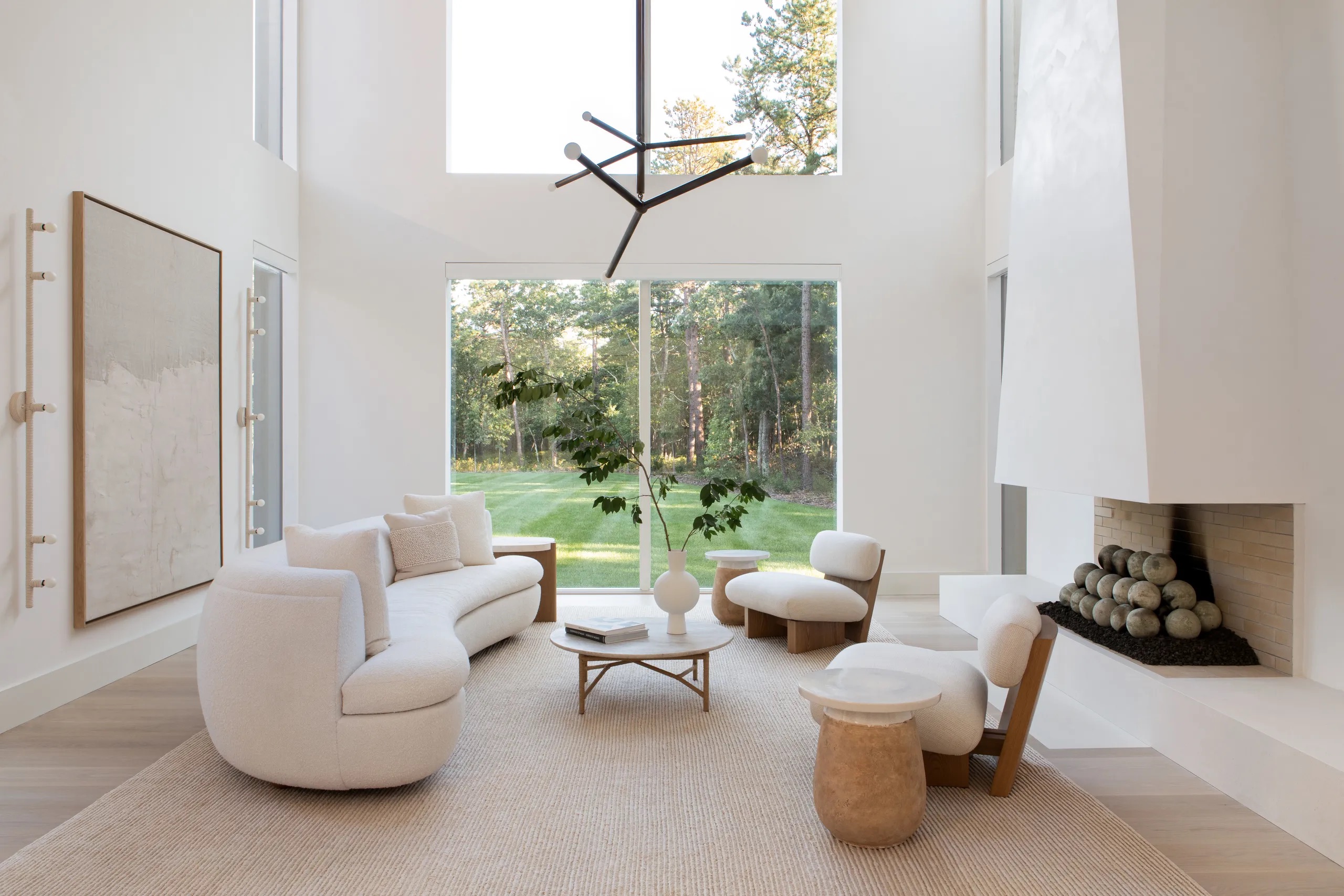
Modern prestige is increasingly defined not by how much we own, but by how thoughtfully we live. A spacious room with perfect proportions, natural light, and a few beautifully crafted pieces now carries more emotional and aesthetic value than a crowded interior filled with expensive objects.
Minimalist spaces create something money cannot easily buy: calm.
To walk into a home where every detail has purpose, where materials are authentic, and where nothing competes for attention is to experience a rare sense of balance. This feeling has become one of the greatest luxuries of contemporary life.
True minimalism is not emptiness. It is the art of making room for what matters.
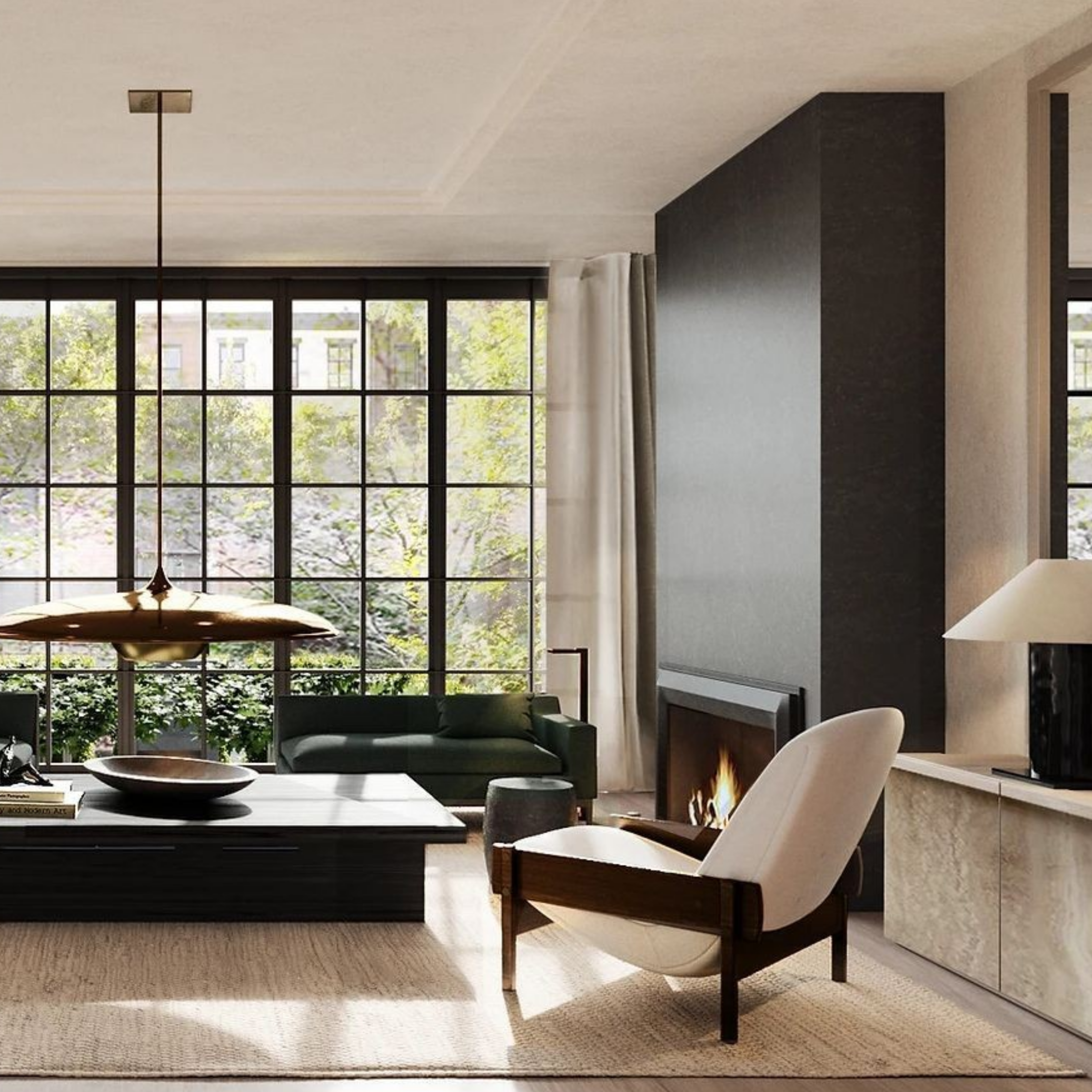
Empty surfaces, generous layouts, and carefully chosen furnishings allow architecture itself to breathe. Walls become canvases for light. Textures become more noticeable. A single sculptural chair can hold more presence than ten decorative accessories.
Space, once overlooked, is now one of the most coveted design elements. It suggests confidence, discipline, and freedom.
Minimalism also reflects a growing appreciation for craftsmanship. When fewer pieces occupy a room, each one must deserve its place.
This is why luxury minimalist interiors often feature exceptional materials: hand-finished wood, natural stone, tailored upholstery, artisan ceramics, brushed metals, and custom-made furniture. The absence of clutter shifts attention to detail.
In this context, a perfectly proportioned sofa or a handmade dining table becomes more powerful than any display of extravagance.
We live surrounded by constant stimulation—notifications, advertisements, schedules, and visual overload. Our homes have become sanctuaries from that intensity.
Minimalist interiors answer a deep emotional need: serenity.
Soft palettes, clean lines, thoughtful storage, and open space reduce mental fatigue and invite stillness. They create environments where one can think clearly, rest deeply, and feel grounded.
This emotional benefit is precisely why minimalism has become aspirational. It offers not only beauty, but well-being.
Today’s most refined homes rarely announce themselves loudly. Their elegance is subtle. Their beauty reveals itself gradually.
Luxury now lives in the precision of a joinery detail, the weight of a linen curtain, the warmth of oak under natural light, or the silence of a perfectly organized room. It is a language understood by those who appreciate nuance.
Minimalism has become prestigious because it requires discernment. Anyone can buy more. Few know how to choose less—and choose well.
As tastes continue to evolve, the homes that feel most desirable are those that offer peace, authenticity, and timelessness. They reject trends in favor of enduring value. They privilege comfort over spectacle.
Minimalism is no longer a passing aesthetic. It is the modern expression of confidence, elegance, and intelligence.
In the end, the ultimate luxury is not having everything.
It is needing very little—and loving every detail you keep.
Tags: